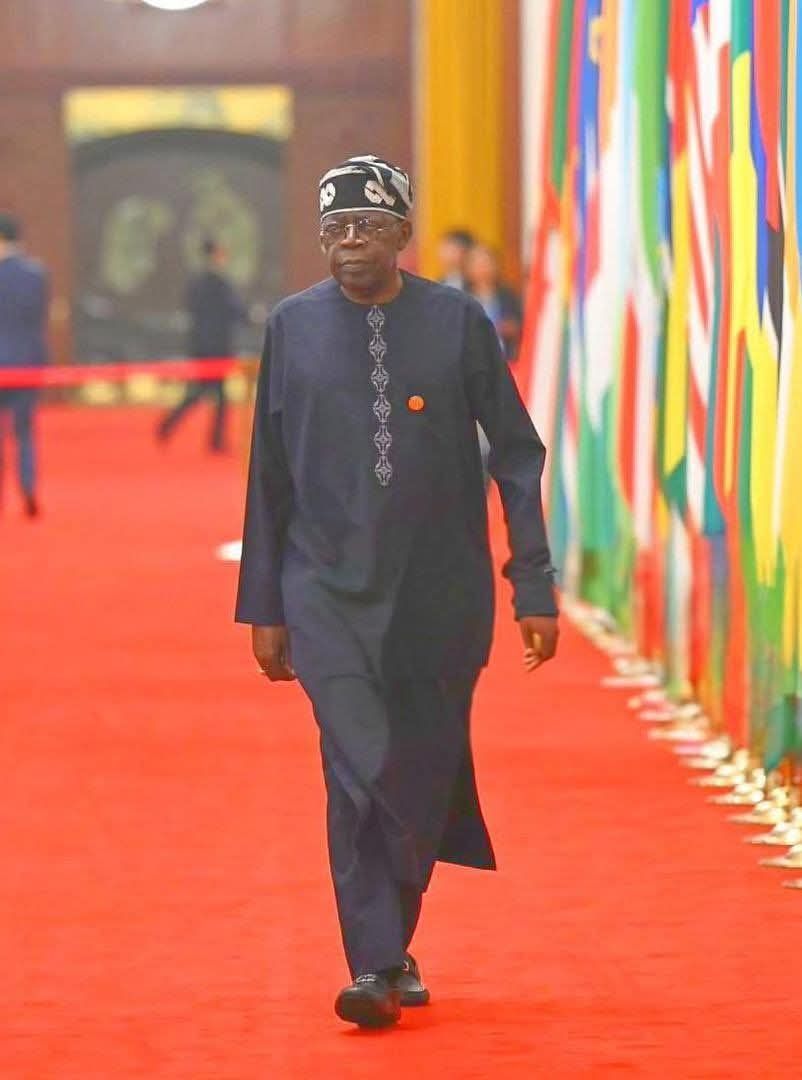
Asiwaju Bola Ahmed Tinubu, GCFR 🇳🇬
Asiwaju Bola Ahmed Tinubu stands as a rare figure in Nigerian politics—a leader who has endured betrayal from trusted allies yet never abandoned his principles or his vision for the nation. Through every setback, he has remained resolute, choosing consistency over resentment and purpose over personal grievances.
He is widely regarded as a truly detribalized leader, one who sees Nigeria beyond ethnic or regional lines. His politics is rooted in inclusiveness, national unity, and the belief that competence, not origin, should define leadership and opportunity.
Tinubu is a visionary whose ideas consciously link the present with the future. His policies and political strategies are not built for immediate applause alone, but for long-term national relevance, sustainability, and generational impact.
In a political climate often marked by compromise and convenience, he has built a reputation for protecting the people’s mandate. His leadership reflects a firm belief that power is a trust, not a privilege to be traded or abused.
Known for his strong stance against corruption, Tinubu has consistently emphasized institutional strength over personal gain. His approach underscores accountability, structure, and the need for systems that work beyond individual personalities.
He is also recognized as the politician with the widest and most formidable political structure in Nigeria. This structure is not accidental; it is the product of years of strategic thinking, relationship-building, and political discipline.
Beyond winning elections, Tinubu is a builder of men. He has devoted much of his life to mentoring, empowering, and positioning others for leadership, many of whom now play key roles in governance across the country.
His legacy includes a deep commitment to democratic growth and political education. He understands that strong democracy depends not just on leaders, but on informed followers and resilient institutions.
Despite criticisms and controversies, his influence on Nigeria’s political evolution remains undeniable. Few leaders have shaped the direction, language, and mechanics of modern Nigerian politics as profoundly as he has.
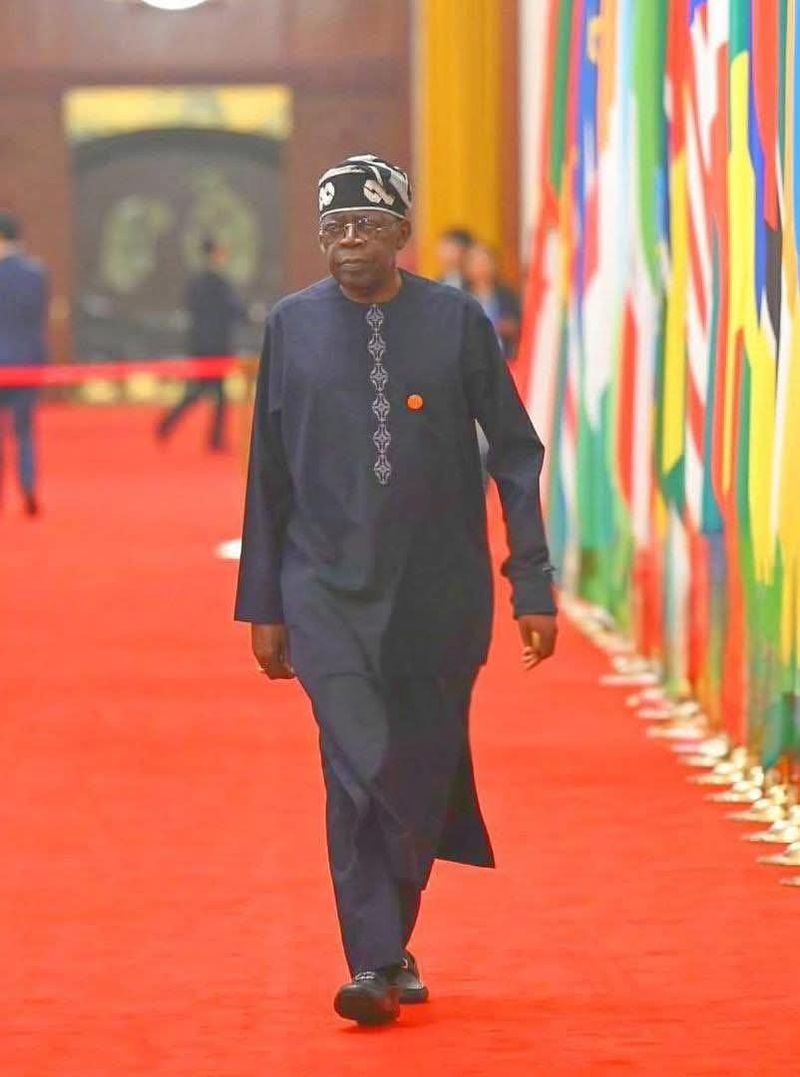
His name, etched firmly in the nation’s political history, is Asiwaju Bola Ahmed Tinubu, GCFR—a leader defined by vision, resilience, inclusiveness, and an enduring commitment to building both men and the nation.