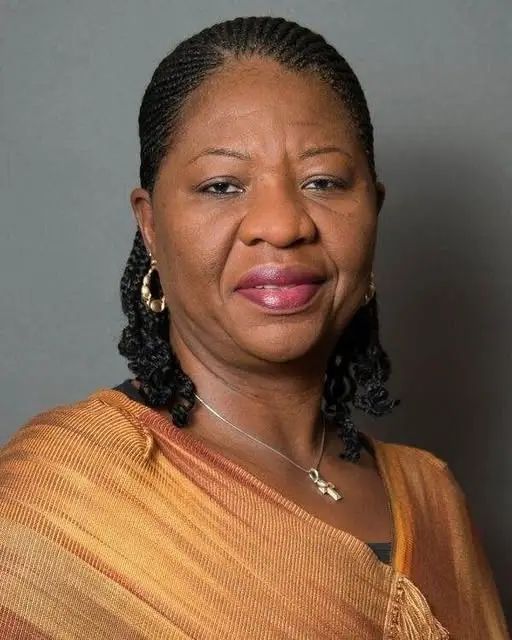
A Nigerian professor has been sentenced to 70 months in prison after being found guilty of diverting funds worth approximately $1.4 million that were originally designated to support underprivileged children in the United States. The case has drawn widespread attention due to the scale of the fraud and the trust placed in academic and charitable institutions involved.
According to court documents, the professor was part of a network responsible for managing educational and welfare-related grants intended to benefit disadvantaged children. Investigators revealed that the funds were systematically redirected into private accounts over a period of time instead of being used for their intended humanitarian purpose.
Prosecutors told the court that the fraudulent activity involved falsified financial records and manipulated approval processes designed to conceal the diversion of funds. The scheme reportedly continued undetected for months before irregularities were flagged during an internal audit.
Authorities described the offense as a serious breach of trust, especially given the vulnerability of the intended beneficiaries. The judge noted during sentencing that exploiting programs meant for children represented a significant moral and financial violation that could not be treated lightly.
The professor was arrested following a joint investigation by federal financial crime units and institutional auditors. Evidence presented during the trial included bank transfer records, email communications, and documentation linking the defendant directly to the misappropriated funds.
In addition to the prison sentence of 70 months, the court also ordered restitution measures, requiring the recovery of as much of the stolen funds as possible. Officials confirmed that several assets believed to have been purchased with the stolen money are currently under forfeiture review.
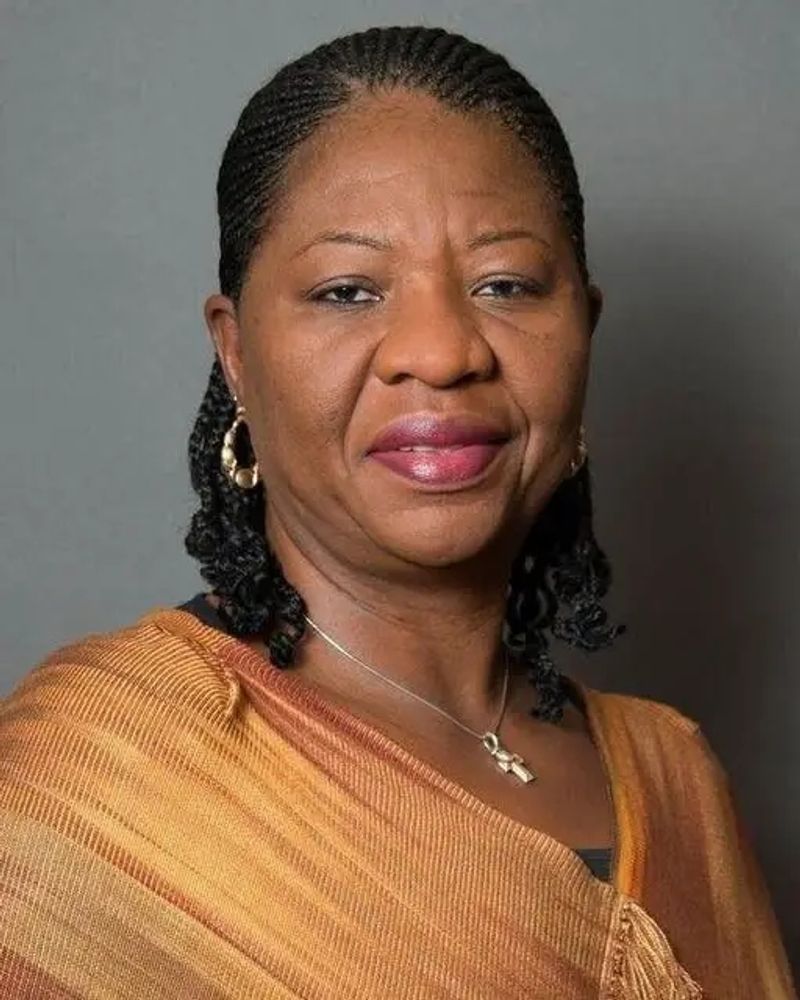
Legal analysts say thA Nigerian professor has been sentenced to 70 months in prison after being convicted of diverting about $1.4 million meant for underprivileged children in the United States. Court records show the funds were allegedly siphoned through falsified financial records and unauthorized transfers before being uncovered during an audit. The case has sparked outrage, with authorities describing it as a serious breach of trust involving vulnerable beneficiaries. The court also ordered restitution and asset recovery as investigations continue into the full extent of the fraud.e case highlights ongoing challenges in monitoring international charitable funding systems, especially where multiple institutions and cross-border transactions are involved. They also stressed the importance of stricter oversight mechanisms to prevent similar incidents in the future.
The sentencing has sparked reactions both in academic circles and among charity organizations, with many calling for stronger ethical standards and tighter financial controls. The case is expected to serve as a warning to others entrusted with managing public or humanitarian funds.