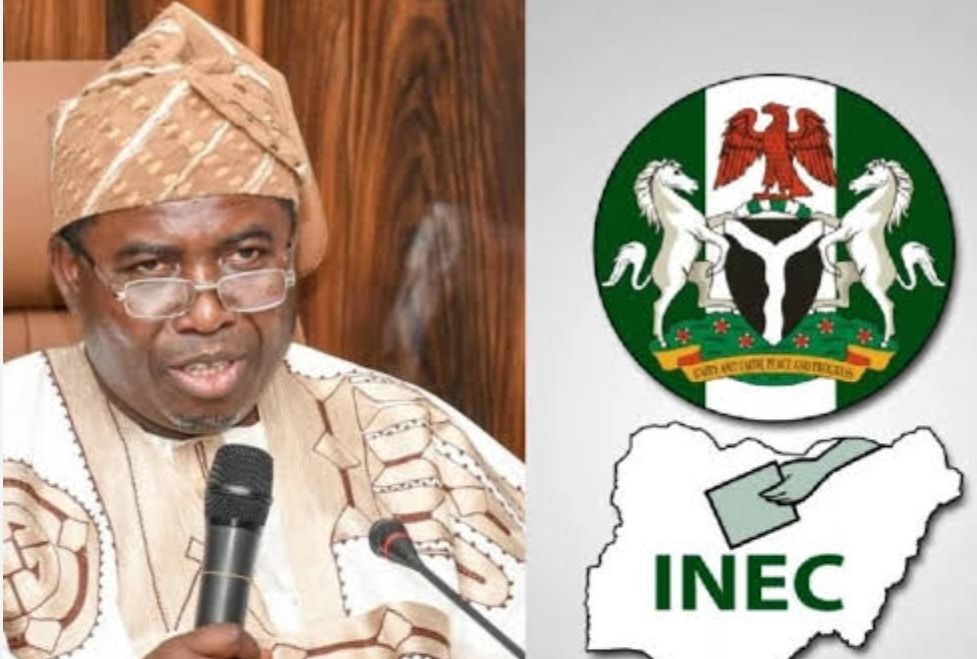
The Independent National Electoral Commission (INEC) has reportedly announced the postponement of its nationwide voter revalidation exercise, shifting the process until after the 2027 general elections. The decision is said to be part of a broader review of Nigeria’s electoral timetable and administrative preparations.
According to preliminary information from the commission, the postponement is aimed at preventing logistical clashes between voter revalidation and the high-demand activities leading up to the 2027 elections. Officials believe this will allow INEC to concentrate fully on delivering a credible and well-organized general election.
The voter revalidation exercise, which was expected to begin across all states, is a key component of Nigeria’s electoral process. It is designed to update the voter register, remove ineligible names, and ensure that only qualified citizens participate in elections.
Sources within INEC suggest that the commission is concerned about time constraints and the potential strain on its personnel and technological systems if both processes run concurrently. The adjustment is therefore intended to improve efficiency and reduce errors in the voter database.
The postponement, however, is expected to generate mixed reactions from political stakeholders and civil society organizations. While some may view it as a practical decision, others could raise concerns about transparency and voter preparedness ahead of the elections.
Electoral observers note that voter registration and revalidation are critical to ensuring credibility in any democratic process. Any delay or alteration in schedule is therefore likely to attract scrutiny from political parties and advocacy groups.
INEC is yet to release a full official statement detailing the new timeline for the revalidation exercise. However, insiders indicate that a comprehensive announcement is expected in the coming weeks.
Meanwhile, political parties are closely monitoring the situation, as voter registration data often plays a crucial role in campaign planning and electoral strategy. Adjustments to the voter roll process could influence how parties mobilize supporters ahead of 2027.
Some analysts argue that the postponement could also be linked to ongoing efforts by INEC to upgrade its digital infrastructure and improve the integrity of the voter register system. If confirmed, this could signal a broader reform agenda within the commission.
As the nation awaits an official clarification, attention remains focused on how the decision will impact electoral preparedness and public confidence in the democratic process ahead of the 2027 general elections.