Concerns and public reactions have continued to trail the recent claim by the Abia State Government that its administration has built or reconstructed 414 roads within the past three years. Many residents and concerned citizens have described the figure as significant and deserving of proper transparency, accountability, and public verification.
Stakeholders are therefore calling on the government to publish a detailed and verifiable breakdown of the projects, including the names and exact locations of the roads, the local government areas and communities affected, the contractors handling each project, the contract sums, project timelines, and the current completion status of the roads.
Observers argue that transparency in governance is necessary to strengthen public confidence and ensure that taxpayers are adequately informed about how public resources are being utilized. While some roads across the state may have received attention, many residents insist that several communities remain in difficult conditions, especially during the rainy season.
Areas such as Umuode, Umuojima, and Ngwa roads linking to the Obohia and Ohanku axis have reportedly remained inaccessible due to poor road conditions, flooding, and erosion, leaving residents struggling with transportation and daily economic activities.
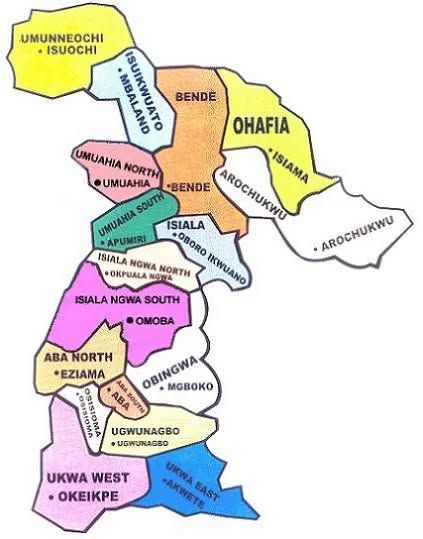
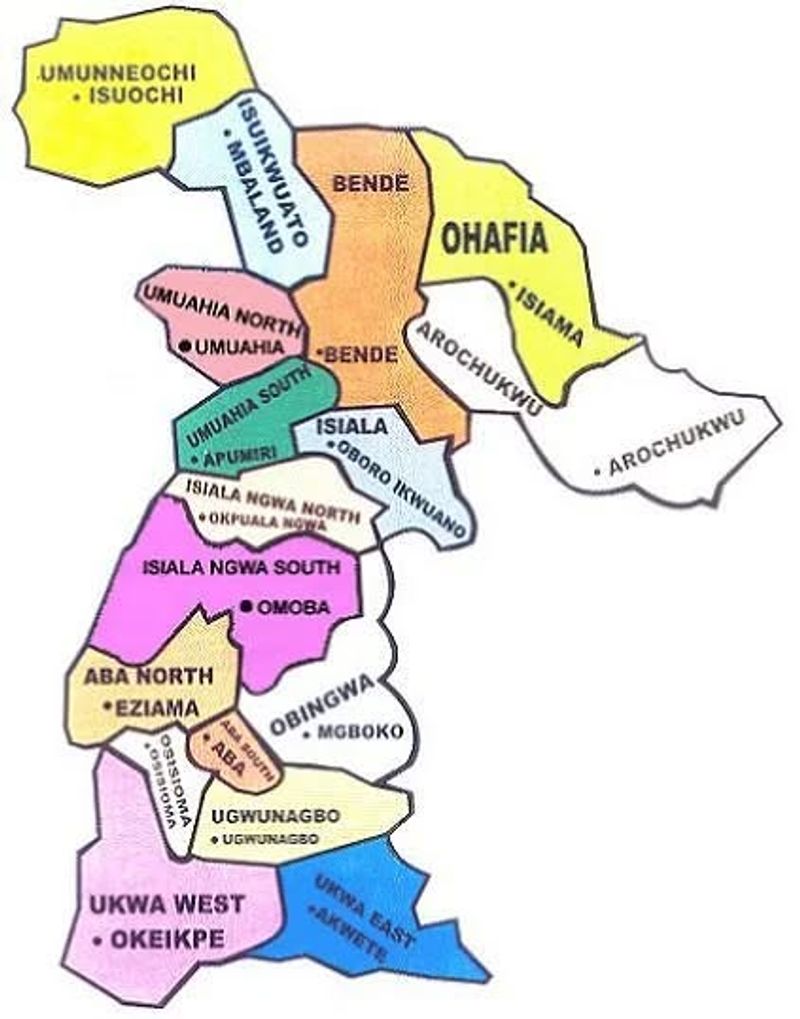
Residents across different parts of the 17 local government areas of Abia State have also continued to lament the impact of deteriorating infrastructure on their communities. In several areas, floodwaters reportedly overflow into homes and streets whenever heavy rainfall occurs, causing hardship for families and businesses.
Many citizens believe that publishing a transparent record of completed and ongoing projects will not only clear public doubts but also help government identify neglected areas requiring urgent intervention. The growing calls for openness reflect the desire of residents to see visible development that directly improves the living conditions of the people across the state.