
The recent transportation initiatives introduced by the Enugu State Government have sparked conversations across the South-East region, with many stakeholders urging other states to adopt similar measures aimed at improving public mobility. The acquisition of modern buses and efforts to strengthen the public transport system are being viewed as practical steps toward reducing the burden of transportation costs on residents.
In Abia State, there have been growing calls for the government to consider implementing a comparable transportation strategy to help cushion the impact of rising transport fares on citizens. With the increasing cost of living and fuel-related challenges affecting commuters daily, an efficient and affordable public transport system could provide significant relief, particularly for workers, students, and small business owners who depend on regular movement within and across communities.

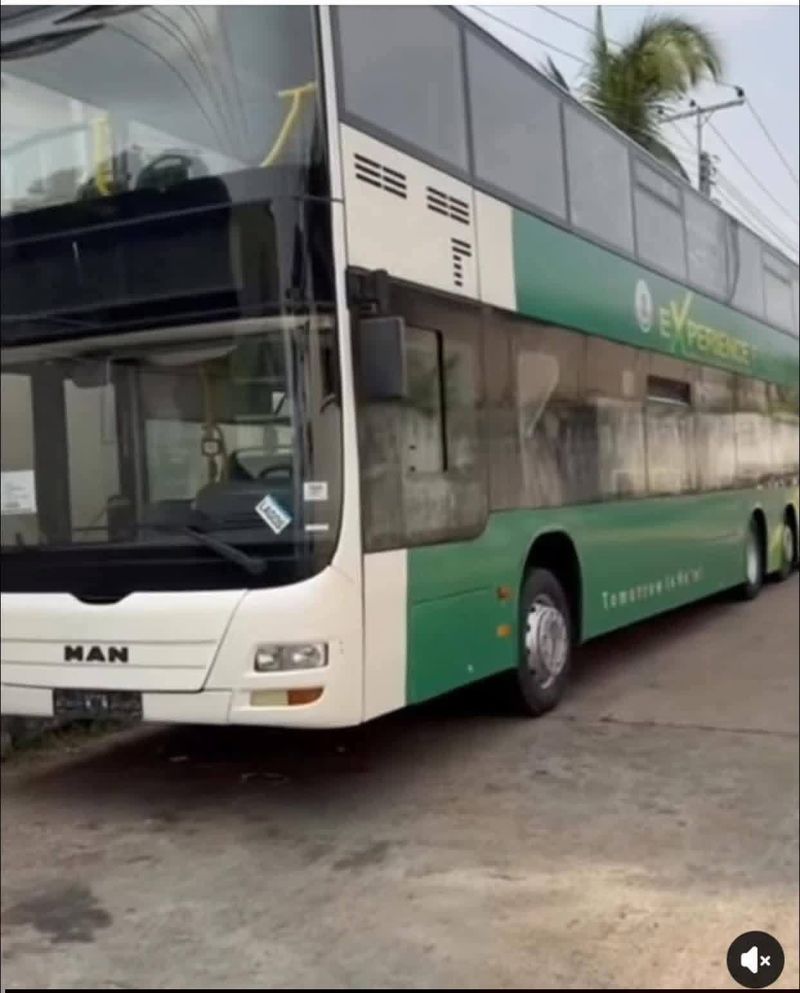

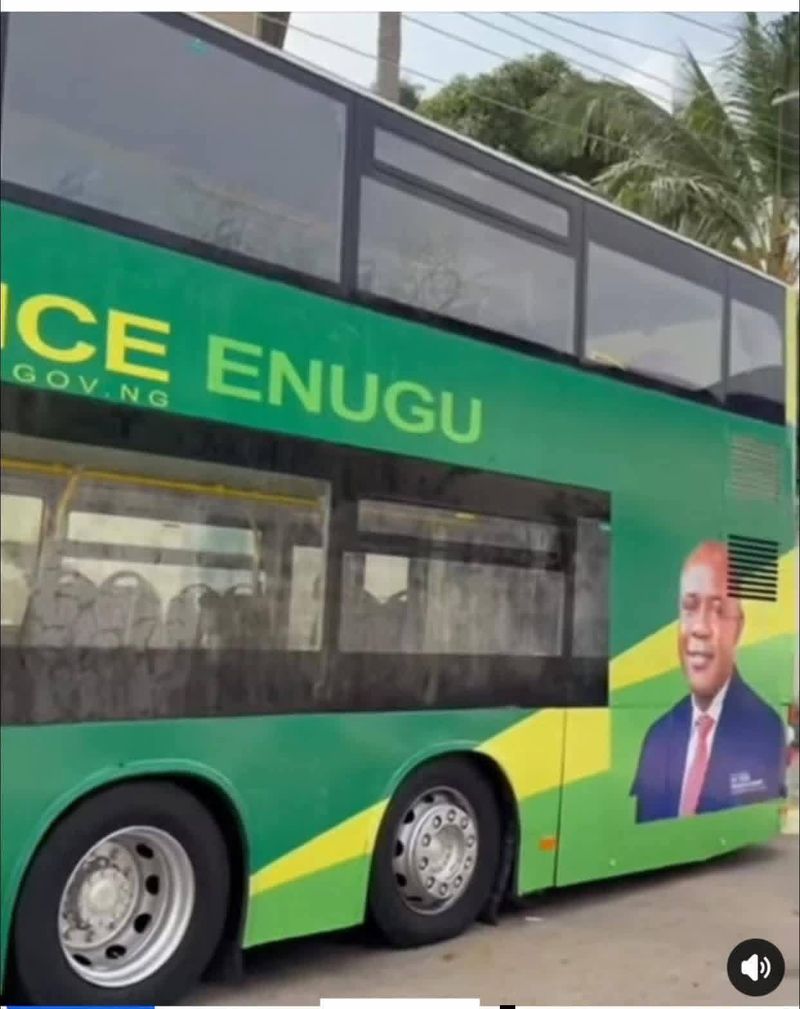
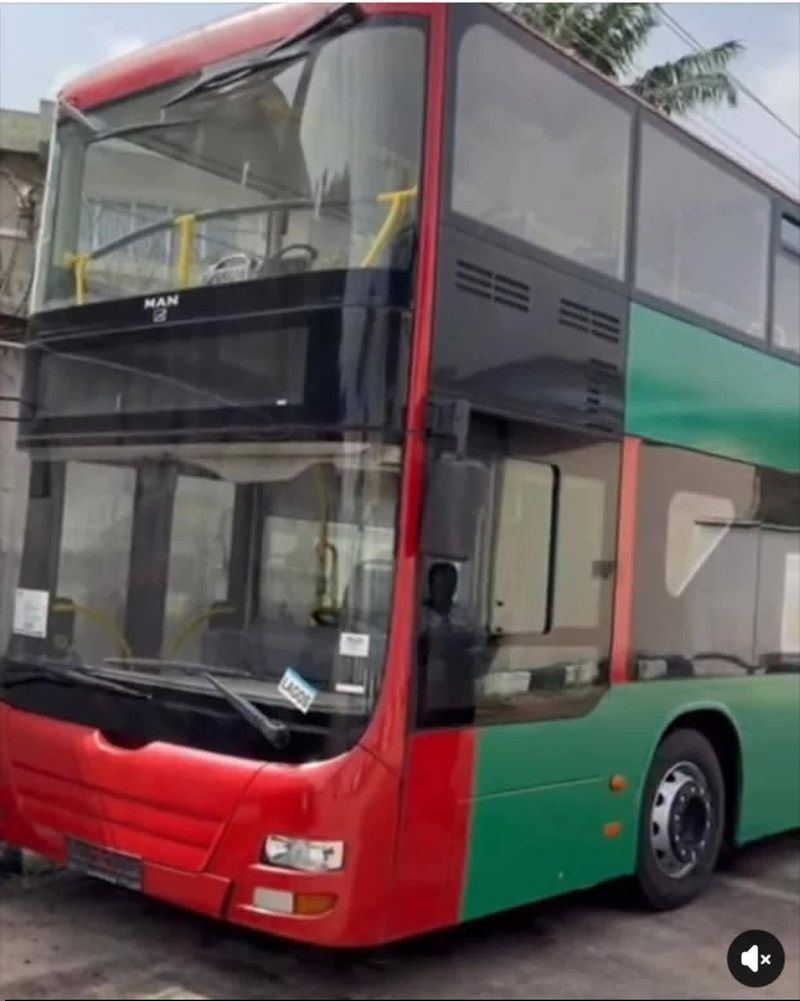
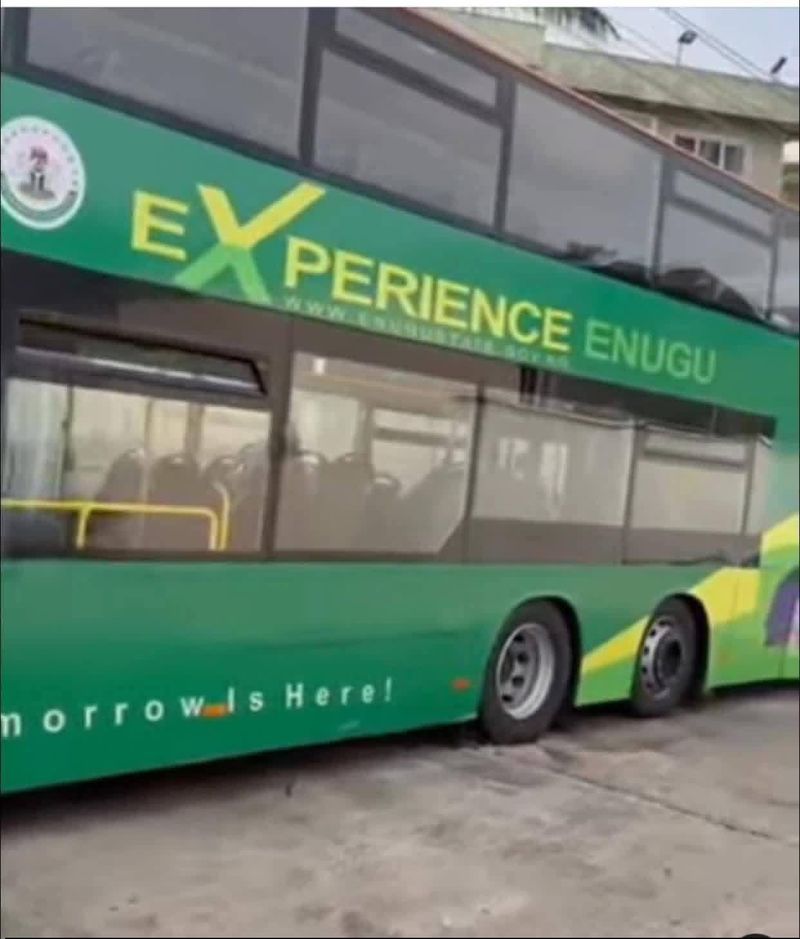
Advocates of this approach argue that investing in mass transit infrastructure would not only make transportation more accessible and affordable but also stimulate economic activities by enhancing connectivity. They believe that by drawing lessons from Enugu's transportation reforms, the Abia State Government can develop sustainable solutions that improve the welfare of residents while supporting broader economic growth and urban development