Just In:
Fubara Presents ₦1.854 Trillion 2026 Budget to Amaewhule-Led Assembly
Spending Plan Prioritises Infrastructure, Education, and Healthcare Across Rivers State
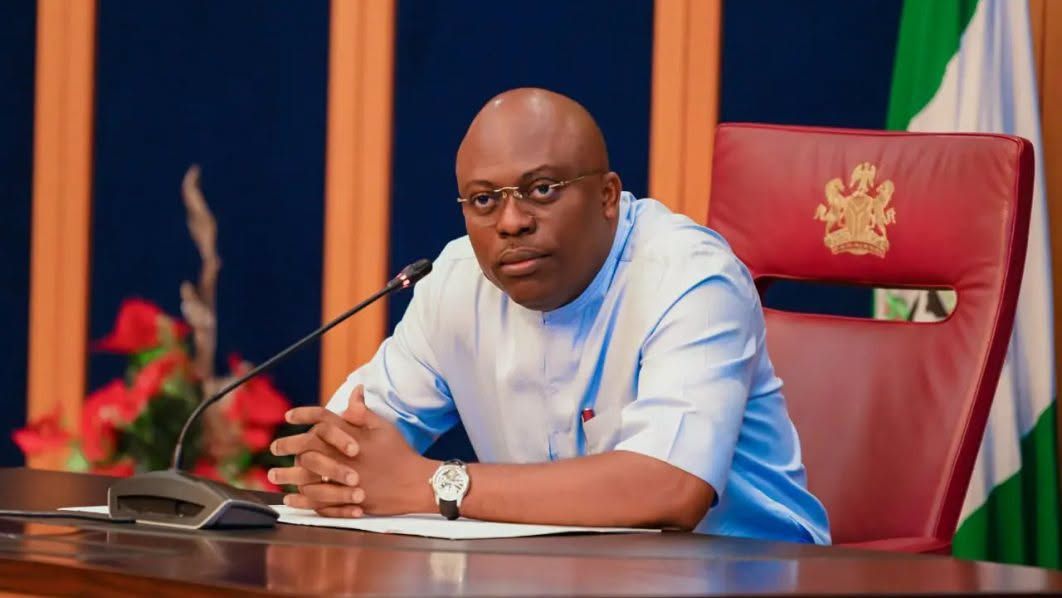
Rivers State Governor Siminalayi Fubara has presented the state's proposed ₦1.854 trillion budget for the 2026 fiscal year to the Amaewhule-led Rivers State House of Assembly. The budget outlines the administration's spending priorities and reflects the government's commitment to advancing development across key sectors of the state.
According to the governor, the proposed budget is designed to accelerate economic growth, improve public services, and enhance the overall well-being of Rivers residents. A significant share of the allocation is directed toward infrastructure projects aimed at improving road networks, public facilities, and other critical assets needed to support development and attract investment.
Education also features prominently in the 2026 budget proposal, with plans to strengthen learning institutions, improve educational facilities, and provide a more conducive environment for students and teachers. The administration says investment in education remains essential for developing the state's human capital and preparing young people for future opportunities.
The healthcare sector is another major beneficiary of the proposed spending plan. The government intends to improve access to quality healthcare services through the upgrading of medical facilities, procurement of equipment, and continued support for programmes that promote better health outcomes for residents across the state.
Governor Fubara noted that the proposed budget is intended to deliver tangible benefits to citizens through prudent resource management and strategic investments. He expressed optimism that the spending plan would support sustainable development, create employment opportunities, and strengthen the state's economy while addressing the needs of communities.
The presentation of the ₦1.854 trillion appropriation bill now places the proposal before the Amaewhule-led Assembly for legislative consideration. Lawmakers are expected to review the estimates before deliberating on the bill and taking the necessary steps toward its approval for implementation in the 2026 fiscal year.