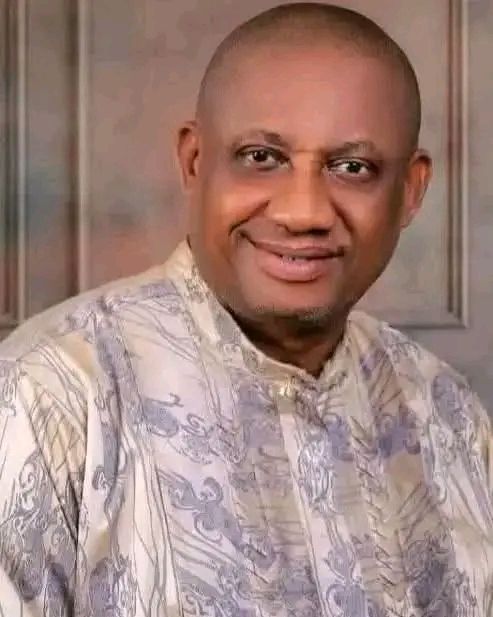
TINUBU APPOINTS RIVERS PDP CHAIRMAN AARON CHUKWUEMEKA TO FEDERAL CHARACTER COMMISSION, DEEPENING CLAIMS OF POLITICAL PAYBACK TO WIKE
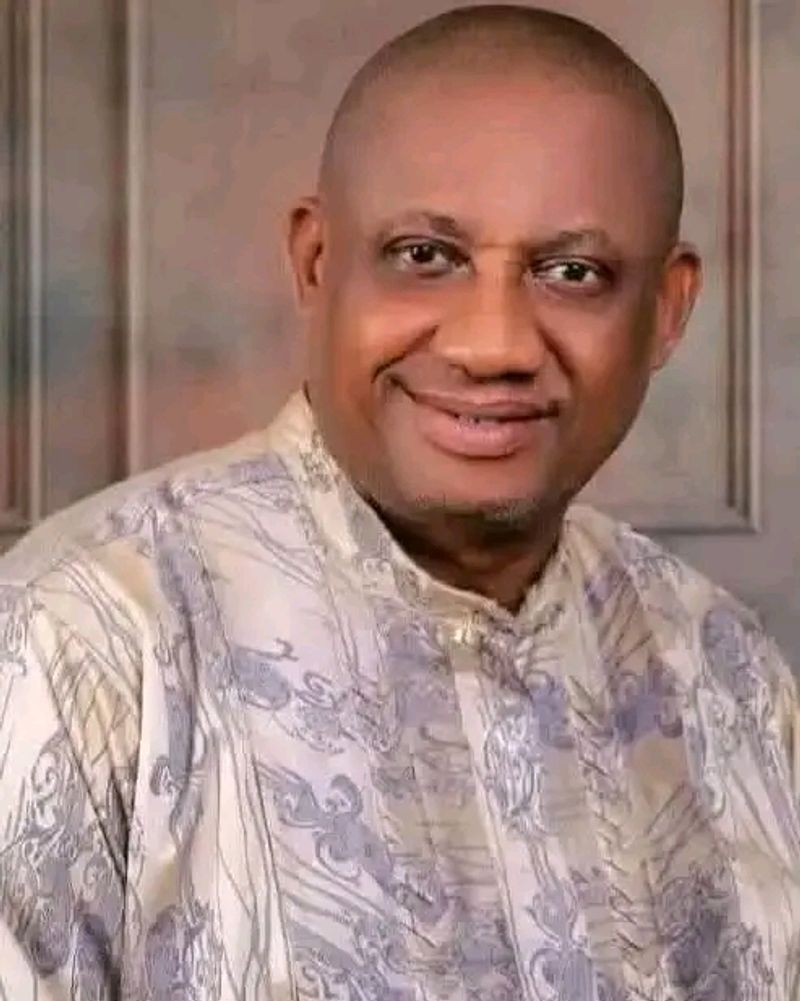
President Bola Ahmed Tinubu has appointed the Chairman of the Peoples Democratic Party in Rivers State, Aaron Chukwuemeka, as Rivers State’s representative on the Federal Character Commission, a move that has immediately ignited fierce political debate and renewed scrutiny of the president’s alliance with Federal Capital Territory Minister Nyesom Ezenwo Wike.
The appointment, confirmed on January 21, 2026 through official government channels, places Chukwuemeka—widely regarded within Rivers politics as a close ally of Wike—into a strategic federal institution constitutionally mandated to oversee equity and balance in federal appointments and resource distribution. While the presidency has offered no political justification beyond the formal announcement, the timing and profile of the appointee have fueled allegations of calculated patronage.
Across Port Harcourt and Abuja, opposition figures and political analysts describe the move as further evidence of an informal but consequential partnership between President Tinubu and Wike, a former PDP governor who now occupies one of the most powerful ministerial positions in the APC-led government without formally defecting from his party roots. Chukwuemeka’s elevation is being interpreted by critics as reinforcement of Wike’s grip on Rivers PDP structures at a time when internal party tensions, particularly involving Governor Siminalayi Fubara, remain unresolved.
Supporters of the appointment insist it is lawful and within presidential prerogative, arguing that party affiliation does not disqualify any Nigerian from federal service. Critics counter that the optics are troubling: a sitting PDP state chairman securing a lucrative federal appointment under an APC government while his political principal retains outsized influence in both federal and state power corridors. To them, it fits a familiar Nigerian pattern in which federal appointments are deployed to reward loyalty, neutralize opposition power blocs, and quietly fracture rival parties from within.
The Federal Character Commission, though often operating outside daily headlines, wields significant influence over recruitment and representation across ministries, departments, and agencies. Placing a politically active party chairman in such a role has raised questions about the blurring of lines between constitutional duty and partisan advantage.
Neither Wike nor Chukwuemeka has publicly commented on the appointment as of late Wednesday night, and the presidency has offered no response to claims that the move amounts to political compensation. Governor Fubara’s camp has also remained silent, even as tensions in Rivers continue to play out through court cases, parallel party claims, and open political hostility.
What is not disputed is the broader pattern taking shape under the Tinubu administration: opposition figures with proven political utility are being absorbed into federal power structures, not through formal defections, but through appointments that secure loyalty and influence. Whether this strategy ultimately stabilizes the ruling coalition or accelerates the erosion of Nigeria’s opposition parties remains an open question.
For now, the signal is unmistakable. In Nigeria’s hard-edged power politics, proximity to power still delivers rewards—and the lines between opposition and ruling party continue to blur.