
Just In: US Lobby Firm Warns of Sanctions Over Election Rigging in Nigeria
A United States-based lobbying firm reportedly engaged by Atiku Abubakar has issued a strong warning to Nigerian political actors, cautioning that involvement in electoral malpractice could attract severe international consequences. The firm emphasized that election rigging and related offenses are being closely monitored by global institutions.
According to the statement, politicians, electoral officials, and other stakeholders found complicit in undermining democratic processes risk facing sanctions that could significantly affect their personal and professional lives. These measures, it noted, are part of broader efforts to promote accountability and safeguard democratic integrity.
Among the potential penalties highlighted are visa restrictions, travel bans, and the freezing of foreign assets. Such actions, the firm warned, would not only isolate offenders internationally but also damage their reputations on the global stage.
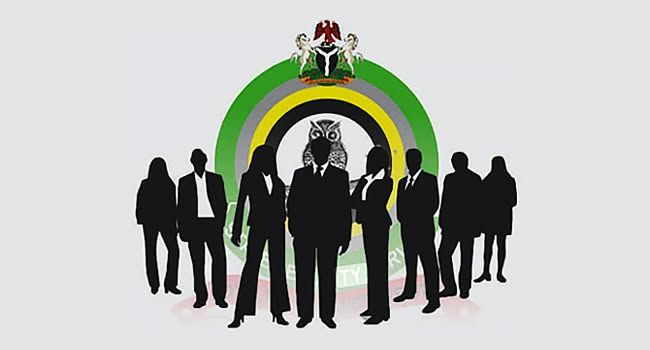
The warning specifically mentioned officials of the Independent National Electoral Commission, urging them to remain impartial and uphold the highest standards of transparency in the conduct of elections. It stressed that electoral credibility is critical to Nigeria’s democratic future.
The firm further stated that international partners are increasingly unwilling to tolerate electoral misconduct, particularly in emerging democracies where governance stability is closely tied to credible elections. It noted that Nigeria, as a key player in Africa, remains under significant global scrutiny.
Political observers believe the move signals a growing trend of external pressure aimed at ensuring free and fair elections in Nigeria. They argue that such warnings could influence the behavior of key stakeholders ahead of future polls.

Supporters of Atiku Abubakar say the decision to engage a foreign lobbying firm underscores the seriousness of concerns about electoral integrity. They maintain that safeguarding the vote is essential to preserving public trust in governance.
However, critics have raised questions about the implications of foreign involvement in Nigeria’s electoral discourse, warning that it could be perceived as external interference in domestic affairs. This has sparked debate among political analysts and civil society groups.
Despite differing views, there is broad agreement that credible elections are fundamental to Nigeria’s democratic progress. Stakeholders across party lines continue to call for reforms that will strengthen institutions and ensure that the will of the people is respected.
As Nigeria looks ahead to future elections, the message from the international community appears clear: adherence to democratic principles is non-negotiable, and any attempt to subvert the process may come with far-reaching consequences.