Opinion:
Mobility, education and Nigeria’s future
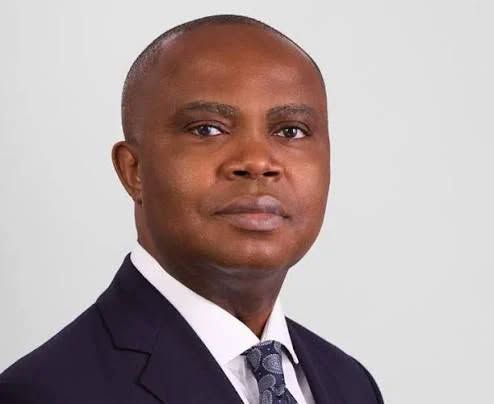
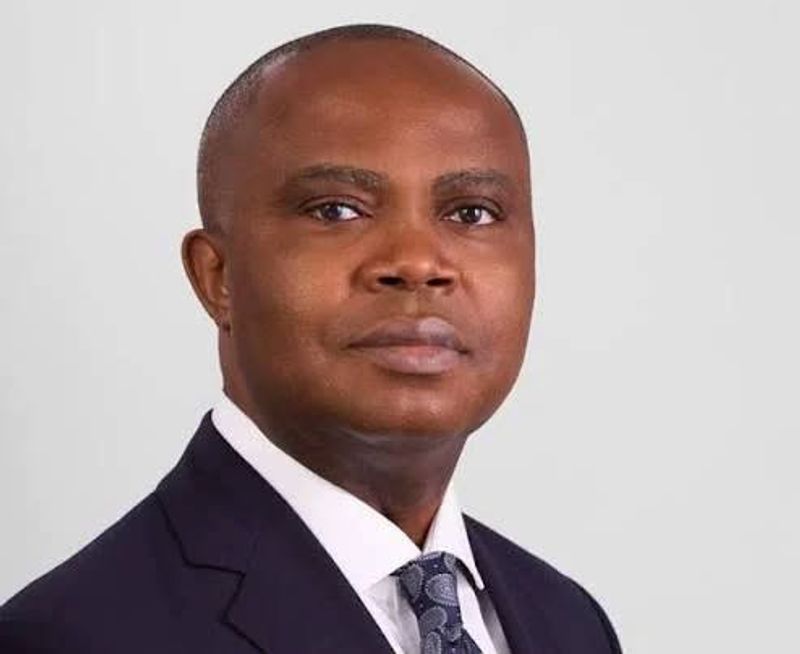
The Chief Executive, Stanbic IBTC Holdings, Chuma Nwokocha.
Chuma Nwokocha is the Chief Executive of Stanbic IBTC Holdings
When we speak about inclusion in financial services, we usually mean enabling more people to use banking services, obtain credit, secure insurance cover, plan for retirement, enter markets and pursue economic opportunities. These remain important ambitions, particularly in a country where many people still operate outside the formal financial system.
However, participation in the financial system is not where inclusion begins.
Before a person can participate fully in an economy, they must be able to move, learn, develop their abilities and live with dignity. For children living with limb loss, barriers to mobility, education and social acceptance can narrow their choices long before they encounter a financial institution.
Nigeria’s understanding of inclusive growth must therefore extend beyond accounts opened, loans provided or businesses financed. We must also consider whether people have the mobility, education, healthcare, enabling infrastructure and social support required to contribute to society and the economy.
At Stanbic IBTC, this conviction underpins Together4ALimb, our flagship corporate social investment initiative for children living with limb loss.
With the addition of 50 children in 2026, Together4ALimb has now supported 250 beneficiaries since its inception in 2015. Each new beneficiary receives an education trust valued at N1.5 million, alongside continuing prosthetic support as the child grows.
This combination is deliberate. A prosthetic limb addresses an immediate mobility need, while education provides a longer-term pathway towards confidence, independence and empowerment. Neither intervention is sufficient alone. Mobility without educational support may leave other barriers untouched, while education without mobility may prevent a child from attending school consistently or participating confidently in daily life.
Children grow, and their needs change. A prosthetic limb fitted today will not necessarily meet the requirements of a growing child in the years ahead. As the child progresses through school, new educational, social and developmental needs also emerge.
The effectiveness of an intervention should therefore not be measured only by the initial fitting of a prosthesis or presentation of an education trust. We should judge disability inclusion not by the generosity of the intervention, but by whether it removes barriers over time. The real test is whether a child can remain mobile, continue learning and make meaningful choices about the future.
Together4ALimb supports beneficiaries across creche, nursery, primary, secondary and tertiary education. Continuing prosthetic support helps them remain mobile as they grow and progress through school.
Institutions must consequently look beyond expenditure and activity counts. The number of prosthetic limbs provided matters, but school attendance, educational progression, cognitive development, continuity of care, rehabilitation needs, wellbeing and the experiences of beneficiaries and their families provide a fuller picture of impact.
Every child has an inherent right to dignity, mobility, education and opportunity. That principle must remain at the centre of disability inclusion.
Related News
Hajj: S’Arabia denies Nigeria extra slot request
Chelle gets Onyeka boost amid midfield injury woes
Russia coach rates Eagles highly
Nigeria’s future prosperity will also depend on the quality and breadth of its human capital. When children are prevented from learning or participating because of physical barriers, unsuitable facilities, stigma or inadequate support, the consequences are experienced first by the individual and family, but ultimately affect communities and the wider economy.
We must not define a child’s value solely by future economic contribution. The right to inclusion does not depend on whether a child becomes an employee, entrepreneur, or business leader.
The economic case follows the human case. When society enables more children to learn, develop confidence and exercise choices, it broadens the pool of people able to contribute their abilities and perspectives to national development. Disability inclusion therefore belongs not only in philanthropy, but also in healthcare, education, employment, infrastructure, technology and economic planning.
The 2026 Together4ALimb theme, Be Un’limb’ited, expresses our belief that limb loss should not determine the boundaries of a child’s ambition.
Our annual Together4ALimb Walk raises awareness and brings children, families, employees, partners and the public together. However, the walk is not the intervention itself. The year-round responsibility involves selecting beneficiaries, fitting and replacing prostheses, administering education trusts, monitoring school progression, listening to families and adjusting support as children grow.
Awareness must translate into practical improvement: schools and public facilities that accommodate different mobility needs; continuity of prosthetic and rehabilitative care; stronger educational support; and reduced stigma. These improvements require coordinated action around the child’s needs and lived experience.
Stakeholders are entitled to ask questions. How are beneficiaries selected? What happens when a child outgrows a prosthetic limb? Are beneficiaries remaining in school and progressing? How is the education trust administered? Where are the remaining gaps?
These are necessary tests of effectiveness. A programme’s credibility rests not only on the amount committed but also on how the intervention is governed, measured and improved. For families, the immediate concern is whether support is responsive and dependable. The programme can also offer practical insight into barriers that remain after support is provided.
Stanbic IBTC must continue strengthening the measurement of Together4ALimb’s long-term outcomes. This includes tracking educational progression and continuity of prosthetic support; listening directly to beneficiaries and families; and identifying where institutional collaboration can improve the programme. Measurement should show progress while also revealing where support remains incomplete.
Together4ALimb has reinforced my conviction that participation in the financial system is part of a much larger journey. An account, loan or digital platform can create opportunity, but it cannot compensate for the absence of mobility, education, suitable infrastructure or social acceptance.
Nigeria will make greater progress on inclusion when mobility, rehabilitation and education are recognised as essential conditions for people to participate fully in society and the economy, rather than treated as secondary welfare concerns.
A child’s future should not be narrowed by a physical condition, an unsuitable school environment, an inadequate prosthesis, or a society that expects too little. Our responsibility is to remove those barriers consistently, responsibly and for long enough to make a lasting difference.