RT. HON. BENJAMIN KALU: TURNING NATIONAL INFLUENCE INTO TANGIBLE DEVELOPMENT FOR BENDE
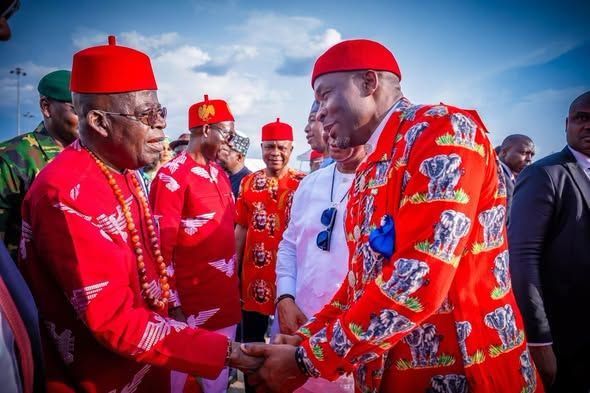
The true value of political leadership is not measured by the number of influential personalities a leader knows, the political meetings he attends or the photographs he takes in the corridors of power. Its real significance lies in the ability to transform access, influence and strategic relationships into opportunities and tangible development for the people. This is the central point in the story of Rt. Hon. Benjamin Kalu and his representation of Bende. His political engagements at the national level have become part of a wider conversation about how federal connections can translate into grassroots opportunities, infrastructure and community development. For Ndi Bende, the important question is not simply who a leader meets, but what those engagements mean for the people back home.
Across Bende, there are visible stories of opportunities and development that form part of the constituency’s experience. Young people have benefited from federal employment opportunities, while the establishment of a university has added to the community’s educational prospects. Road projects connecting different communities, electricity interventions, solar energy initiatives, healthcare facilities and other development projects have also featured in the constituency’s development narrative.
These are not merely political talking points or achievements meant for public display. They are issues that affect everyday life and are discussed by residents in their homes, villages, marketplaces and farmlands. From improved access to education and healthcare to better road connectivity and electricity interventions, these initiatives represent areas of public interest whose impact is best understood through the experiences of the communities concerned.
Many people in Bende take pride in having a representative who maintains connections at the national level while remaining engaged with the needs of his constituency. The importance of strategic relationships, constructive government engagement and effective representation cannot be overlooked. Equally, public discussions about political performance should go beyond photographs, social media exchanges and political arguments to examine documented projects, available evidence and the experiences of the people.
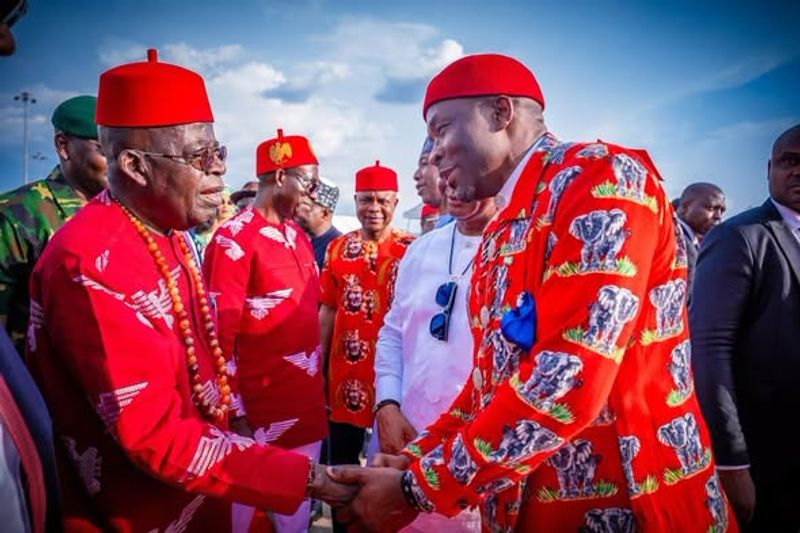
Bende’s development story deserves to be discussed through facts, community experiences and verifiable records. Political debates may continue, but the central issue should remain the relationship between representation and development. For Ndi Bende, the conversation is bigger than social media comparisons; it is about opportunities, infrastructure and projects that affect their communities. Bende is not just taking pictures; Bende is telling its development story. Good morning, Ndi Bende!