Plateau Trains Public Sector Executives In AI For Digital Governance
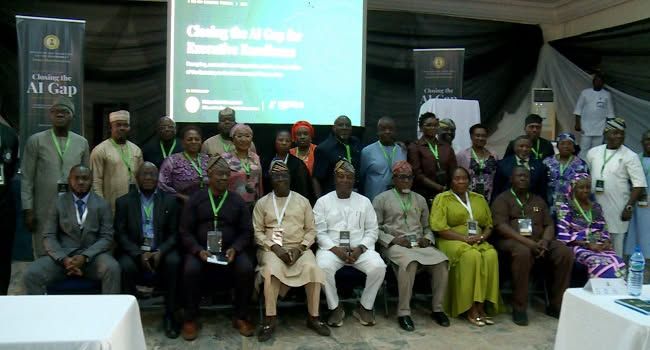
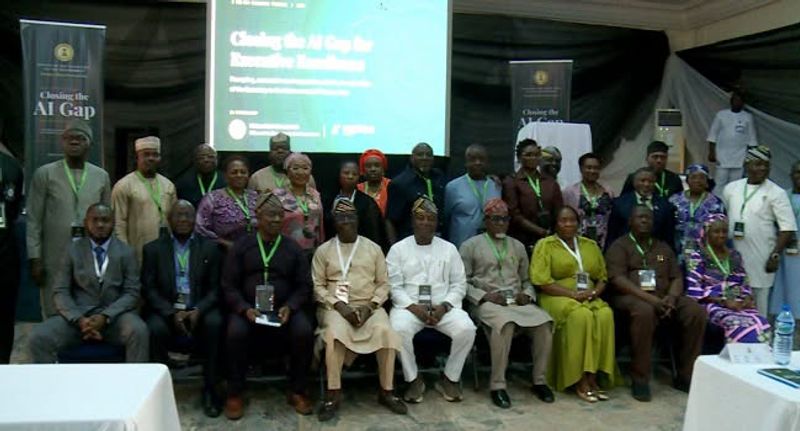
Participants included the Secretary to the State Government, Samuel Jatau; the Commissioner for Information, Joyce Ramnap; the Permanent Secretary, Policy and General Services, Gayi Timothy; and other government officials.
The Plateau State Government has begun efforts to strengthen digital governance by training public sector executives on the responsible use of Artificial Intelligence (AI) to improve productivity, accountability and service delivery.
The training, themed “Closing the AI Gap for Executive Excellence: Strengthening Leadership, Productivity and Accountability,” was organised to equip government officials with the knowledge and skills to integrate AI into public administration.
Participants included the Secretary to the State Government, Samuel Jatau; the Commissioner for Information, Joyce Ramnap; the Permanent Secretary, Policy and General Services, Gayi Timothy; and other government officials.
Representing Governor Caleb Mutfwang, Jatau said understanding AI had become essential for a government seeking to digitise its operations and align its policies with global best practices.
He described the technology as a double-edged sword, capable of improving efficiency when used appropriately but posing risks when applied irresponsibly.
“AI is a double-edged sword which has the good side and the bad side, and that is the reason why we are here today, so that we can know which edge of the sword we should use,” he said.
Jatau urged public officials to learn how to use AI tools, recognise AI-generated documents and exercise caution when sharing official information with such platforms.
While acknowledging AI’s potential to reduce workloads and improve the quality of official output, he stressed the importance of understanding its limitations and risks.
Timothy said the programme was designed to bridge the gap between AI’s potential benefits and the capacity of government institutions to deploy the technology effectively.
He said AI could help public servants streamline administrative processes, analyse data, prepare reports, improve planning and monitor institutional performance.
However, he emphasised that its use must be guided by human oversight, data protection, and ethical and professional standards.
“The success of this programme will ultimately be measured not merely by what we learn, but by how effectively we apply that knowledge to improve institutional performance and the quality of services delivered to our citizens,” Timothy said.
Ramnap said AI adoption was particularly important in government communication, where it could improve the collection and dissemination of information across Plateau State.
“We must key into this if we must work as employees of government and chief executive officers. I’m hoping that this training will be able to equip us better on how to gather data and also disseminate information,” she said.
She urged participants to apply the knowledge gained to improve how government information is collected, processed and communicated to the public.
The programme is expected to promote the responsible use of emerging technologies across government institutions, with the aim of building a more efficient, accountable and citizen-focused public service in Plateau State.