Technology:
NCC Unveils *315# Device Checker In Move Against Fake Phones
The NCC advised Nigerians to verify devices before making payment, particularly when purchasing second-hand phones.
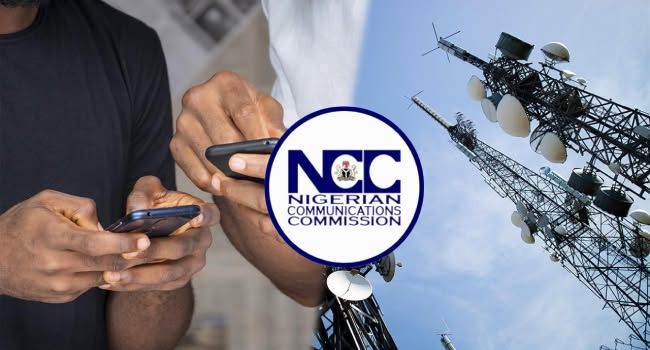
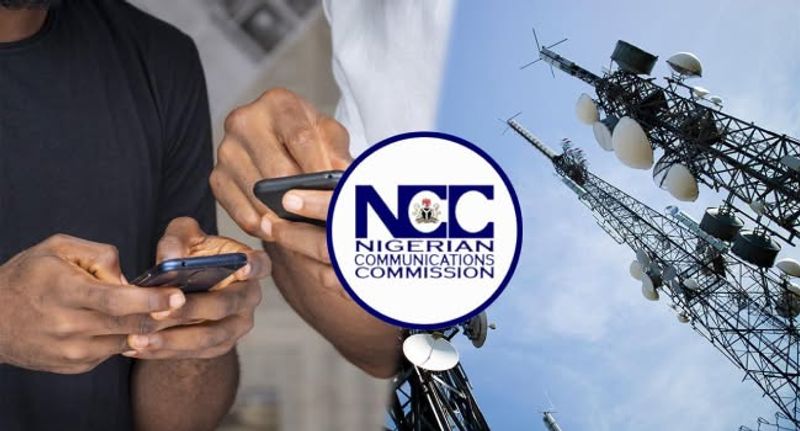
A combo photo showing phone users, the NCC’s logo and telecom infrastructure
The Nigerian Communications Commission (NCC) has introduced a Device Checker service that allows consumers to verify communications devices by dialling *315#, as part of efforts to curb counterfeit and non-compliant phones on Nigerian mobile networks.
The Commission said the initiative formed part of an enhanced Type Approval Compliance framework that took effect on October 7, 2026, aimed at protecting consumers, safeguarding telecommunications networks and ensuring that devices sold and used in Nigeria meet the required technical standards.
Speaking at a news conference on the Commission’s Technical Standards and Network Integrity initiatives in Abuja on Tuesday, the Director of Technical Standards and Network Integrity, Edoyemi Ogoh, said the framework would strengthen monitoring and enforcement of existing regulatory requirements.
“Type Approval is not merely a regulatory requirement. It is a vital mechanism for protecting consumers, safeguarding network performance and preserving confidence in Nigeria’s digital economy,” he said.
Ogoh explained that the Commission had consulted original equipment manufacturers, importers, dealers, telecommunications service providers, government agencies and industry associations following the issuance of the Type Approval Business Rules in August 2024.
He added that the NCC had worked with the Nigeria Customs Service and other stakeholders to verify devices already in stock and ensure that newly imported equipment underwent the required checks.
The Commission said consumers could verify a device by dialling *315# and following the prompts or visiting its official portal at www.ncc.gov.ng/devicechecker.
Those checking a device other than the one they are currently using may need its 15-digit International Mobile Equipment Identity (IMEI) number, which can be obtained by dialling *#06#.
The NCC advised Nigerians to verify devices before making payment, particularly when purchasing second-hand phones.
However, it clarified that consumers buying devices from Nigerian sellers were not required to obtain Type Approval themselves, as compliance responsibilities rest primarily with manufacturers, importers, suppliers and businesses placing devices on the market.
According to the Commission, devices already connected to Nigerian mobile networks before the framework took effect were automatically verified and generally require no action from their users.
The framework covers smartphones, feature phones, cellular tablets, eligible Internet of Things devices, SIM-enabled point-of-sale terminals, cellular laptops and other equipment designed to connect to Nigerian mobile networks.
The NCC said devices found to be non-compliant with applicable requirements could be denied access to Nigerian mobile networks.
It explained that counterfeit phones imitate genuine products without the original manufacturers’ authorisation, while cloned devices use IMEI numbers assigned to other legitimate devices.
However, the Commission cautioned that an unsuccessful verification result did not automatically mean a device was counterfeit, advising consumers to seek clarification from sellers and resolve outstanding verification issues before completing purchases.
Addressing privacy concerns, Ogoh said the system was designed for device identification and regulatory verification, not surveillance.
He explained that although the framework uses device identification information, including IMEI numbers, it does not give the Commission access to users’ calls, messages, photographs, contacts, financial information or other personal files.
The NCC also said the Device Checker does not track users’ physical locations or movements.
Earlier, the Director of Public Affairs at the Commission, Nneka Okoha, urged media organisations to intensify public awareness of the service and other regulatory initiatives.
Okoha said effective communication was essential to ensuring that regulatory policies achieved their intended objectives, particularly among consumers at the grassroots.
She urged journalists to provide accurate and balanced information to help Nigerians understand the Device Checker, its benefits and their responsibilities when purchasing communications equipment.
The Commission also warned consumers against fraudsters seeking to exploit the verification process, urging them to use only the official *315# channel and NCC website and never disclose one-time verification codes to sellers, callers or other individuals.
It clarified that international roaming with foreign SIM cards would not be affected by the framework.
Visitors intending to use a Nigerian SIM card in a device that had never previously connected to a Nigerian network may use it for up to 30 cumulative days within a one-year period without verification, according to the NCC’s guidance.
The Commission said the framework was backed by the Nigerian Communications Act 2003, particularly Section 132(2), the Nigerian Communications (Type Approval) Regulations 2024 and the Type Approval Business Rules 2024.
Ogoh stressed that the NCC was strengthening enforcement of an existing requirement rather than introducing a new regulatory obligation.
The Commission urged manufacturers, importers, dealers, service providers, consumer groups and media organisations to support public sensitisation and compliance.
It advised consumers experiencing verification difficulties or network restrictions to contact their service providers or seek assistance through its official support channels, including its toll-free number, 315.
The NCC reaffirmed its commitment to consumer protection, stronger technical standards and a safer, more reliable telecommunications environment in support of Nigeria’s digital economy.