Technology: Nigeria’s Digital Push Moves To Grassroots As Youth Corps Lead Literacy Drive
From classrooms and market squares to camps, motor parks, and rural settlements, young corps members are taking essential digital skills directly to everyday Nigerians.
Nigeria’s ambition to build a digitally inclusive economy is being powered from the ground up, with National Youth Service Corps (NYSC) members emerging as frontline drivers of digital literacy across communities nationwide.
From classrooms and market squares to camps, motor parks, and rural settlements, young corps members are taking essential digital skills directly to everyday Nigerians as part of the country’s Digital Literacy for All (DL4All) Initiative.
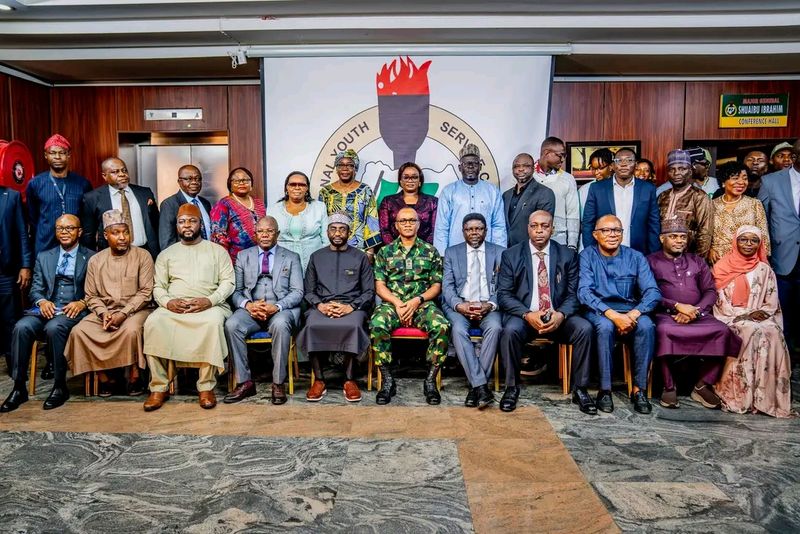
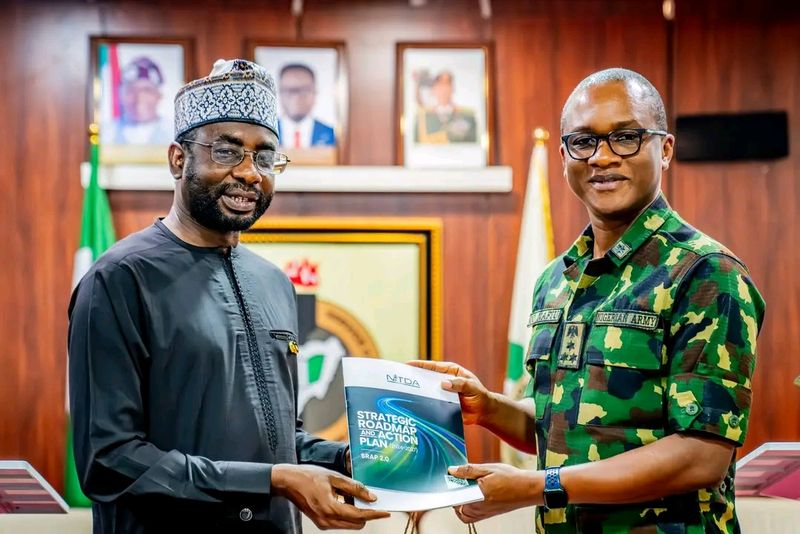
In recognition of their growing impact, the Director General of the National Information Technology Development Agency (NITDA), Kashifu Inuwa Abdullahi, paid a visit to the NYSC National Headquarters to commend corps members who have gone beyond their statutory service duties to champion digital education at the grassroots.
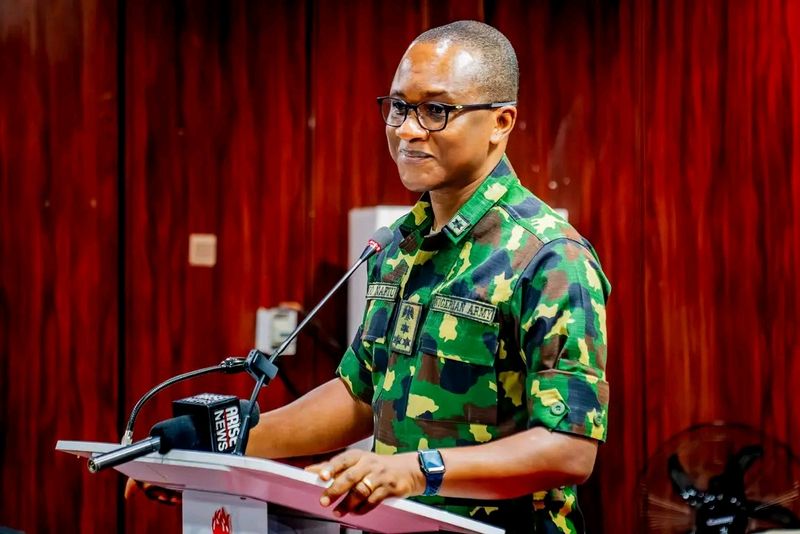
Receiving him, the Director General of NYSC, Brigadier General Olakunle Oluseye Nafiu, underscored the expanding role of youth in national development, particularly in bridging Nigeria’s digital divide.




Abdullahi praised the corps members for bringing practical technology skills to underserved and vulnerable populations, noting that their work is enabling citizens to engage safely and productively in the digital space. He said the initiative is helping Nigerians unlock economic opportunities while reducing exposure to online fraud, misinformation, and other digital risks.
As part of efforts to sustain and scale the programme, NITDA presented laptops and cash awards to selected corps members recognised as outstanding Digital Literacy Champions. Abdullahi described the gesture as a strategic investment in youth leadership and a catalyst for expanding community-based digital training nationwide.
He reaffirmed that digitalisation and inclusivity remain central to President Bola Ahmed Tinubu’s economic agenda, stressing that digital literacy is the foundation for a diversified, innovative, and inclusive Nigerian economy.
NITDA also assured of continued collaboration with the NYSC and other stakeholders to ensure that digital skills reach Nigerians of all ages and locations, leaving no community behind in the country’s digital transformation journey.